Start with the route, not just the load
- Where does the load start and finish—dock, floor stack, rack, or yard?
- What clearances exist at doors, tunnels, or under conveyors?
- Are aisles wide, narrow, or variable with seasonal overflow?
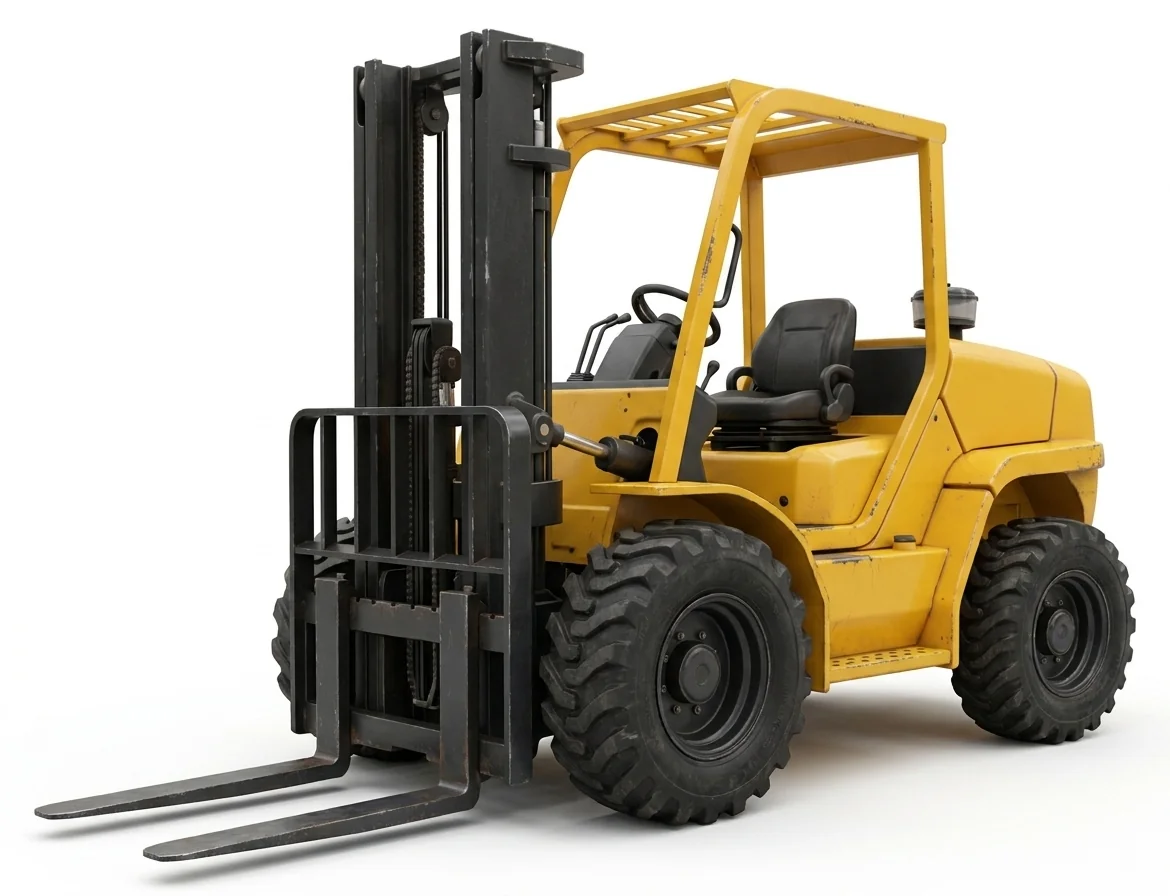
These answers shape mast type, overhead guard clearance, turning radius, and tire selection.
Surface and climate factors in Columbia
- Interior slab: Smooth, sealed floors suit cushion-tire forklifts and shorter turning radii.
- Yard and dock edges: Mixed sandy and clay areas can rut after storms. Pneumatic-tire models handle irregular surfaces and transitions better.
- Heat and humidity: Electric units may require longer charge windows. Plan charging locations with airflow away from busy aisles during peak summer conditions.
Capacity, height, and stability
- Rated capacity vs. load center: Long pallets, drums, or equipment skids shift the load center outward, reducing usable capacity. Match the heaviest, longest load to the data plate ratings.
- Lift height: Measure top rack beam or stack height and add clearance for tilt and pallet overhang. Confirm overhead obstructions along the route.
- Attachments: If specialized handling is required by your task, confirm how it affects capacity and required aisle width per the equipment data.
Common Columbia use cases
- Cross-dock turns with frequent trailer transitions on uneven aprons.
- Narrow-aisle inventory expansion in regional distribution buildings.
- Mixed indoor/outdoor handling at light industrial sites near the Fall Line.
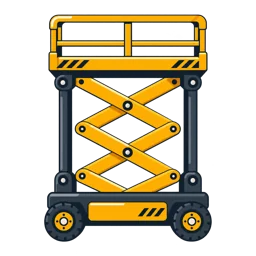
For elevated worker access, see /vertical-mast-lift-rental/ for tight interiors or /electric-scissor-lift-rental/ for broader deck space. For materials placement at height outdoors, compare /telehandler-rental/.
Site procedures govern
Actual conditions, the selected unit’s instructions, and site procedures govern rated loads, route selection, and charging or fueling locations in Columbia, SC.