Placement geometry and approach
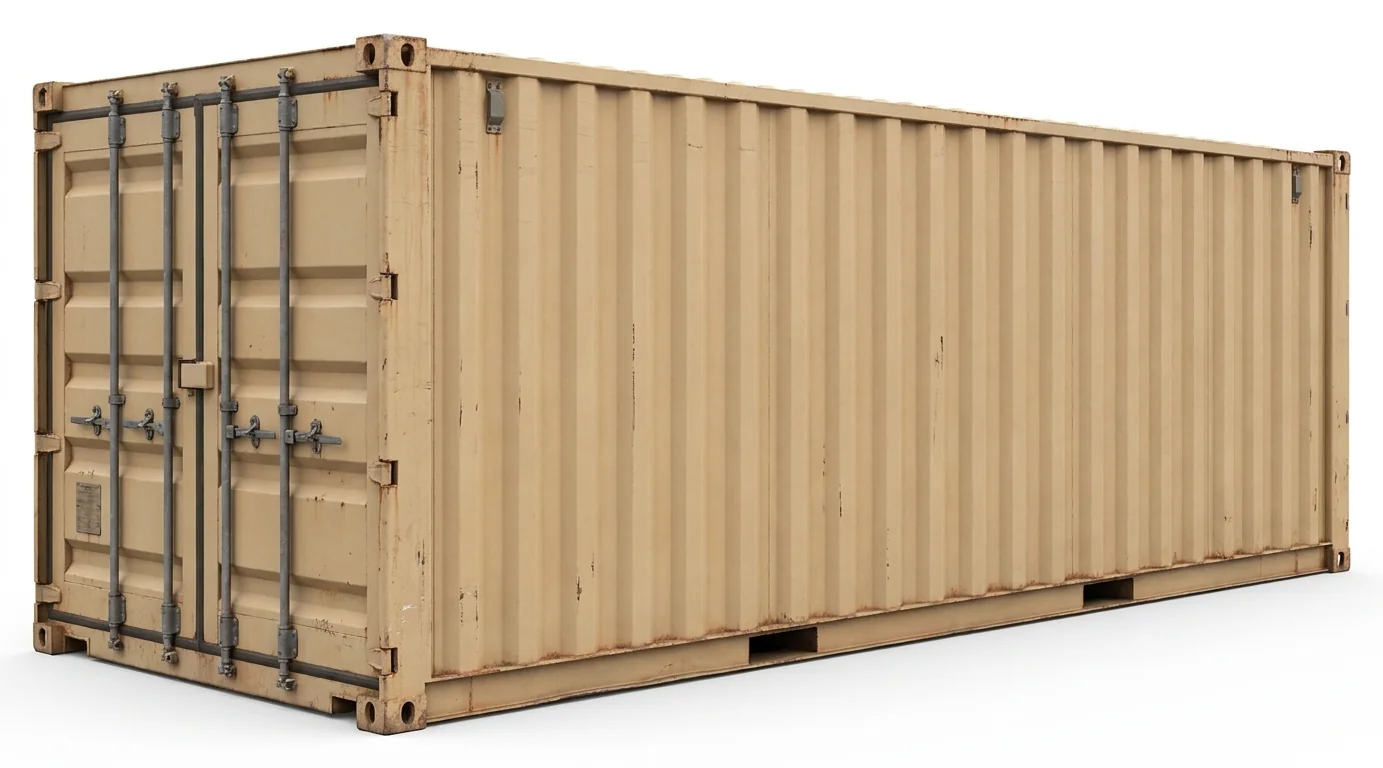
Decide where loading happens most often and whether the container doors face that flow. In local distribution yards and institutional campuses, a straight truck approach can be tight near gates or curbs. Measure: - Clear width and turning radius from the road to the set point - Overhead obstructions near the final spot - Door swing area plus ramp or step clearance if staging to interior work
If the unit must sit below dock height, check the grade so pallets don’t roll into or out of the doors unexpectedly.
Surface and support on mixed soils
Columbia sites frequently alternate between firm clay pads and looser sand edges. A container concentrated on narrow contact points can settle differently front-to-back or side-to-side. On clay, ruts can hold water after short storms; on sand, edges may shift during loading. Plan a level, drained pad that keeps doors square. If the set area straddles both materials, expect one side to move more under load and reevaluate door orientation.
Material flow for renovations and plant work
Large campuses and industrial sites often stage outside and feed crews inside. That increases the number of transitions across thresholds and ramps. If the container supports aerial work, coordinate with lift parking so pallets and parts don’t conflict with travel lanes. For extended projects, consider whether a second smaller unit near the far end of a building reduces travel time more than one large unit at a central location.
Weather and security considerations
High heat and humidity can affect sensitive materials, adhesives, and coatings. Plan for shaded placement when possible and verify drainage so afternoon showers don’t pond at the door. For sites active at night, confirm sightlines so light towers can cover the approach without blinding traffic.
Related planning: - Interior reach equipment overview: /electric-scissor-lift-rental/ - Exterior rough ground access: /rough-terrain-scissor-lift-rental/ - Site products overview: /products/ - Discuss site constraints: /contact/