Site geometry comes first
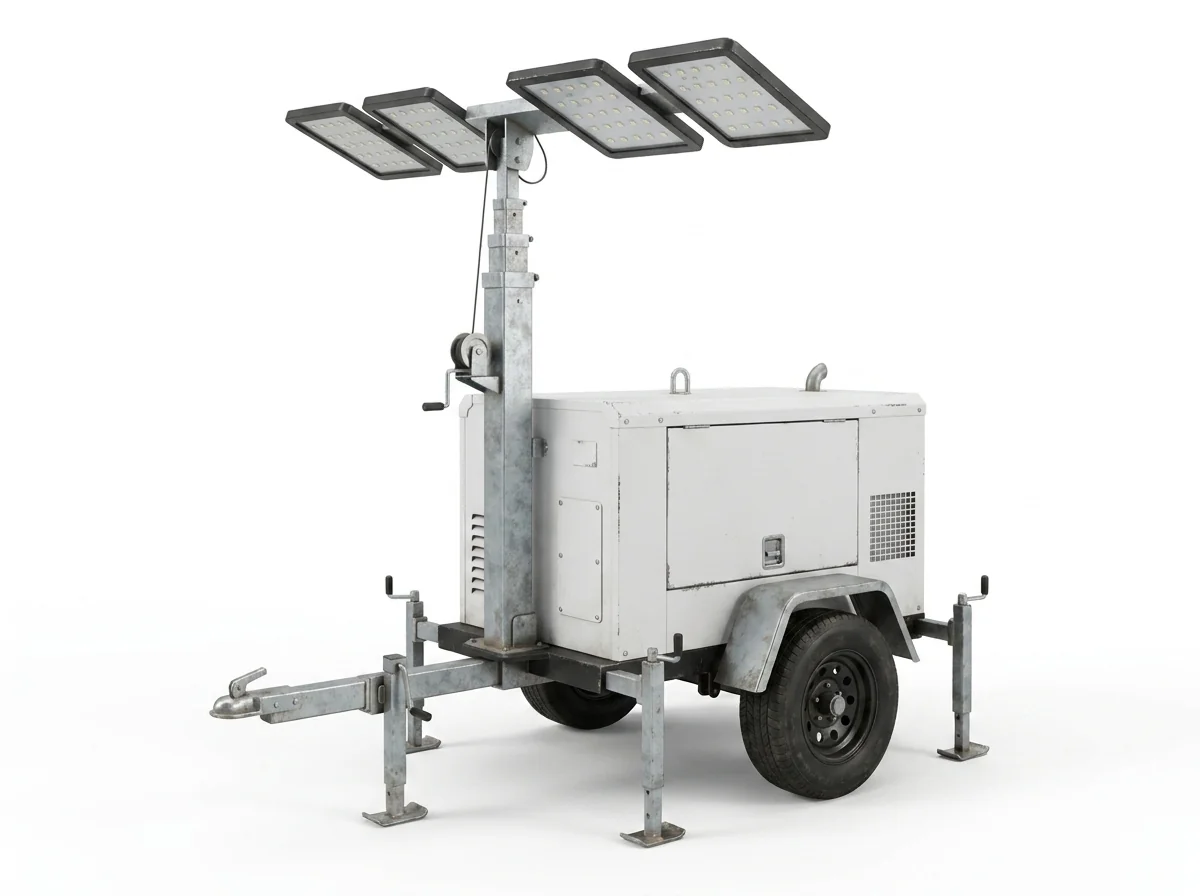
Think in straight lines: where can the generator or light tower sit relative to the work? For power, map cord runs against doors, dock lines, and overhead obstructions. For light, visualize beam spread and mast height from the setback you actually have, not the ideal one. In local distribution buildings, clear floor span may be good, but exterior setbacks along sandy shoulders can shrink under load.
Key checks: - Can the unit remain outside the active work while still reaching with cabling or light coverage? - Are there transitions like ramps, dock plates, or curbs between the unit and the task? - Will the mast or exhaust line up with doors, soffits, or overhangs when placed at the safe offset?
Ground conditions along the Fall Line
Across Columbia, well‑drained sand and slow‑draining clay often sit within the same project footprint. A light tower or towable generator on narrow tires can settle differently on each. Clay holds ruts after a brief storm; sand can shift under point loads. Plan pad support and turning space before the unit arrives. For night work on mixed surfaces, expect to lose some usable setback to ground stabilization.
Power and lighting for large campuses and plants
Institutional and industrial sites around Columbia frequently stage equipment outside active interiors, then push power and light inward. That increases cable length and reduces light intensity at the far edge. If the task spans multiple bays or long corridors, consider how many circuits or towers it takes to avoid shadows and voltage drop at the extremities.
Heat, humidity, and runtime
The regional climate affects both light output strategies and generator sizing. High humidity and heat load on enclosed areas can change ventilation needs around a generator and shorten practical service intervals. For electric tools and lifts supported by temporary power, heat can increase charging windows. If night work is scheduled to avoid daytime temperatures, confirm noise and illumination limits with the site plan before committing to mast heights.
Access and transport constraints
- Tow points: confirm turning radius through gates common in local industrial yards.
- Surface transition: move off asphalt soft spots during warm spells; sand pockets near edges can roll under small tires.
- Cable management: long runs across warehouse aisles or around staging racks require defined routes to keep the power plan workable.
Related planning: - Interior access work with battery lifts: /electric-scissor-lift-rental/ - Uneven outdoor surfaces and slopes: /rough-terrain-scissor-lift-rental/ - Site product overview: /products/ - Talk through site specifics: /contact/