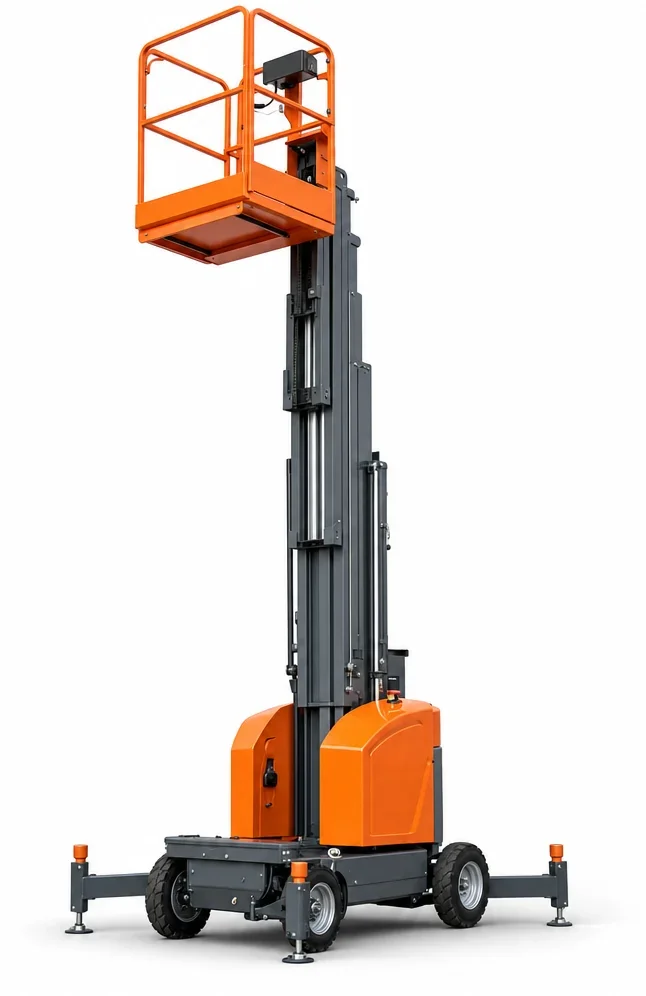
Where a mast lift makes sense
Pick a mast when the machine must pass through standard doors, ride small elevators, or navigate around displays and built-ins. If the platform needs only one or two workers and limited materials, the small deck is an advantage. When wider deck space or side reach is required, consider /electric-scissor-lift-rental/ or /articulating-boom-lift-rental/ for up-and-over tasks.
Columbia-specific constraints
- Floor loading: Many older interiors and mezzanines around the Fall Line area have variable slab thickness. The light footprint of a mast lift can reduce floor loading concerns compared to larger platforms.
- Access path: Tight turns in corridors and service areas favor compact wheelbases. Measure door widths, thresholds, and elevator capacities before committing to size.
- Climate and batteries: High summer humidity can reduce battery run time. Plan charge breaks and locate charging areas with ventilation, away from high-traffic corridors.
Sizing checkpoints
- Working height: Confirm the highest task point and required reach for tools above head level.
- Platform capacity: Verify the combined weight of personnel, tools, and parts within the unit rating.
- Non-marking tires and finish protection: Finished floors and sensitive interiors often require non-marking tires and clean staging zones as specified by site procedures.
Typical Columbia uses
- Lighting, sprinkler, and signage service in narrow corridors.
- Point repairs and inspections in tight mechanical rooms.
- Touch-up work in finished spaces where floor protection and tight turns matter.
For larger interior decks on smooth slab, see /electric-scissor-lift-rental/. For exterior uneven ground or sandy shoulders, compare /rough-terrain-scissor-lift-rental/.
Site rules and instructions
Actual conditions, the selected unit’s instructions, and site procedures govern staging, floor protection, and lift operation in Columbia, SC.